





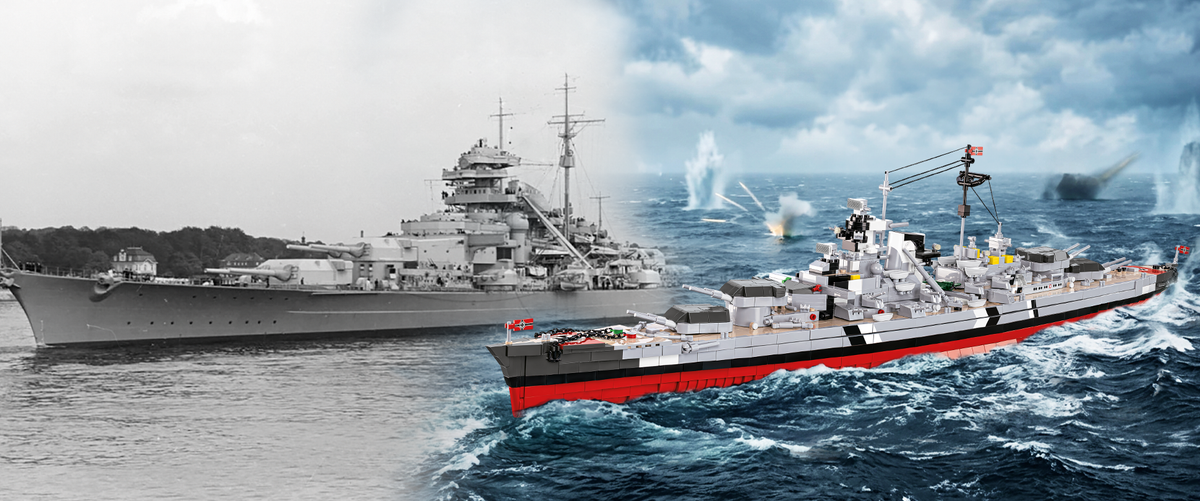
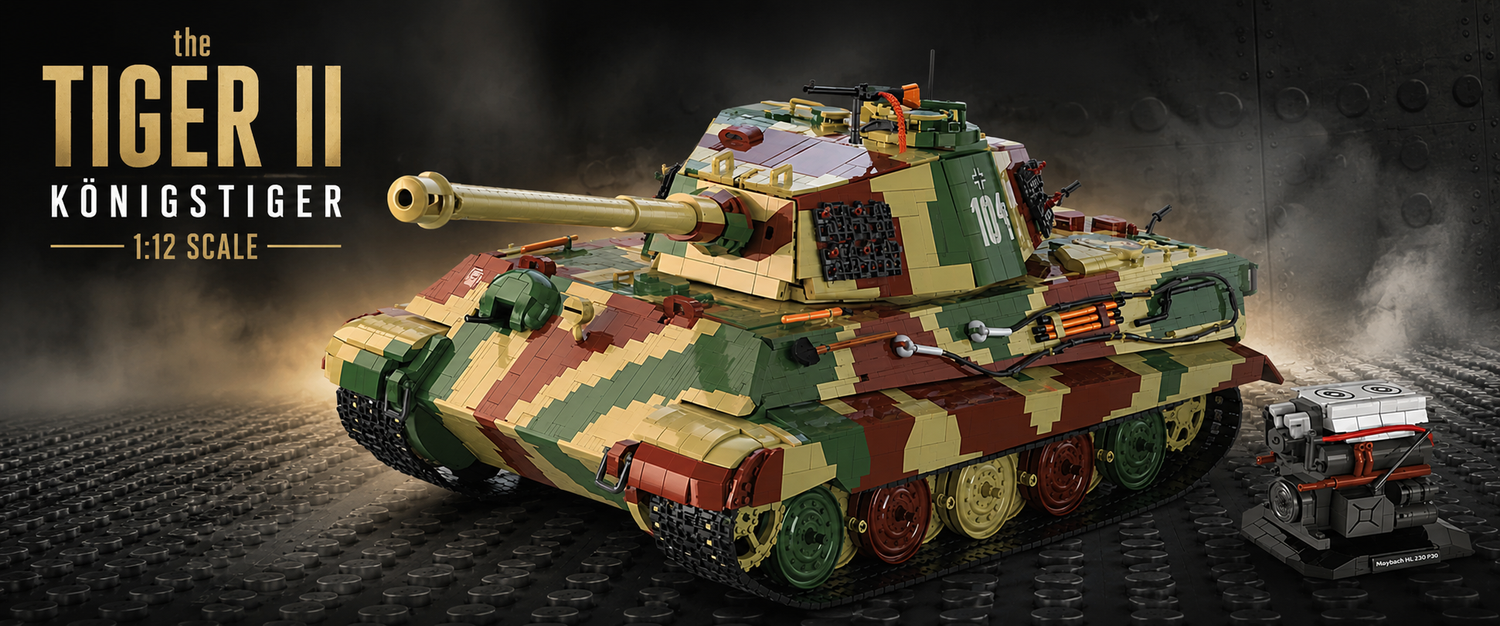
A tank that made history. An aviation icon. A legendary rally car or a famous warship. And then the very same machine recreated from hundreds, and sometimes thousands, of bricks.
How does a real vehicle become a COBI model? The journey from the original machine to the finished set includes the analysis of historical materials, structural design, selecting the right scale, producing the elements, and preparing the details. Let’s take a look behind the scenes of this process.
It All Starts with the Real Machine
Before the first brick appears, the original machine needs to be thoroughly studied. In the case of historical models, designers use construction plans, archival photographs, preserved vehicles, and other source materials. What matters is not only the overall shape of the machine, but also its proportions, armament, camouflage, markings, and distinctive details.
Then comes the biggest challenge: translating the complex structure of a real vehicle into the language of bricks.
From the Original Machine to a Brick-Built Design
The model needs to resemble the original while also being a stable construction that can be built from specific elements.
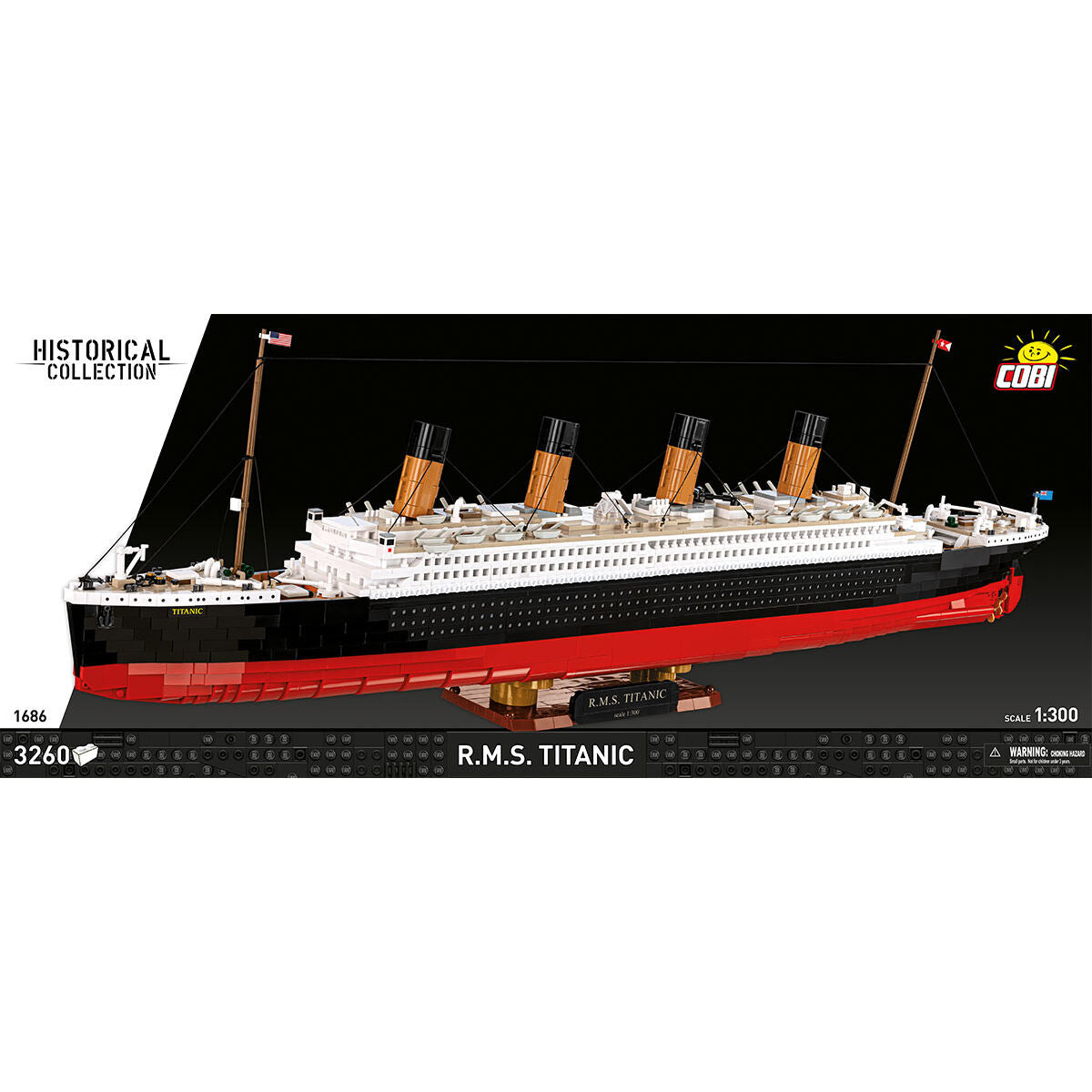
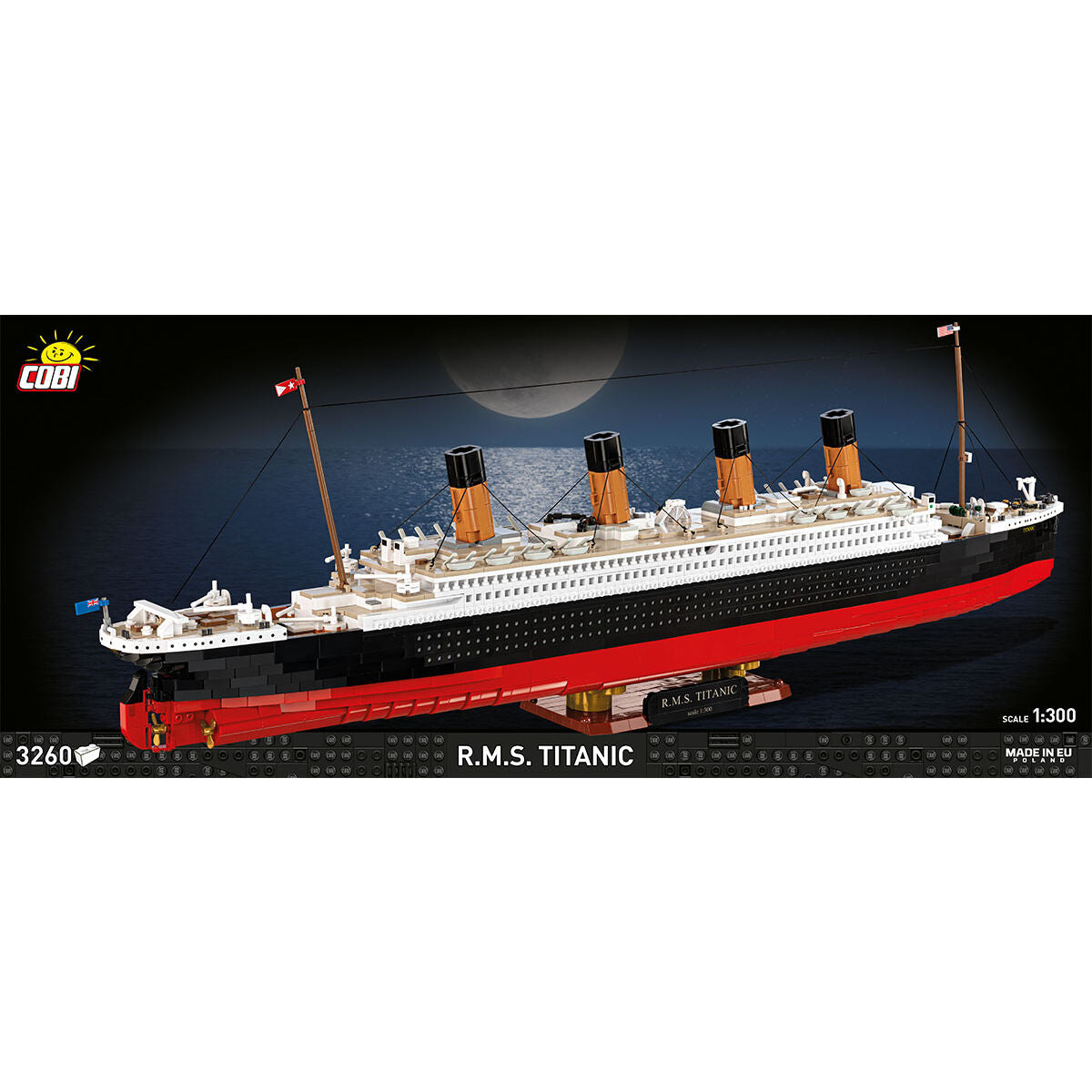
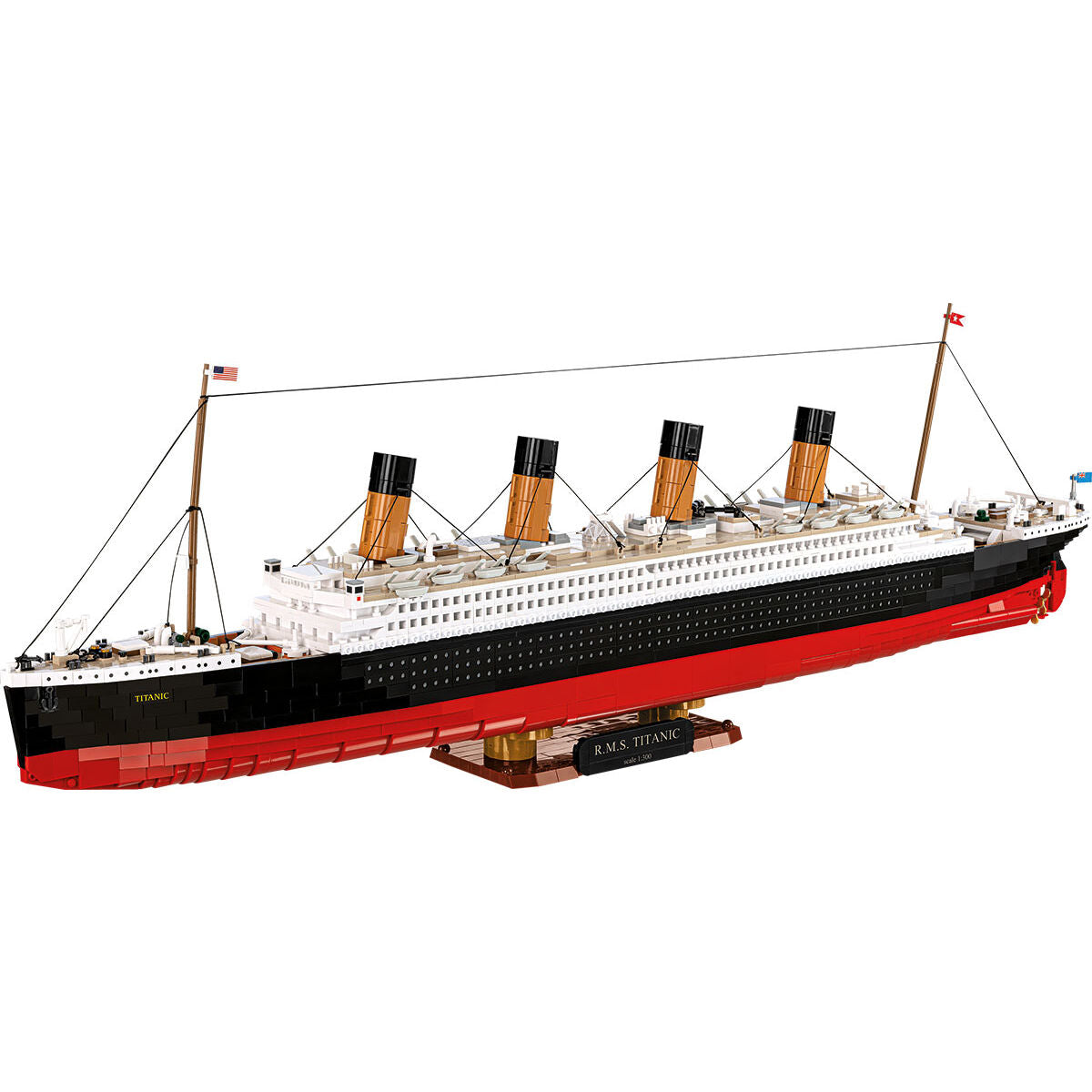
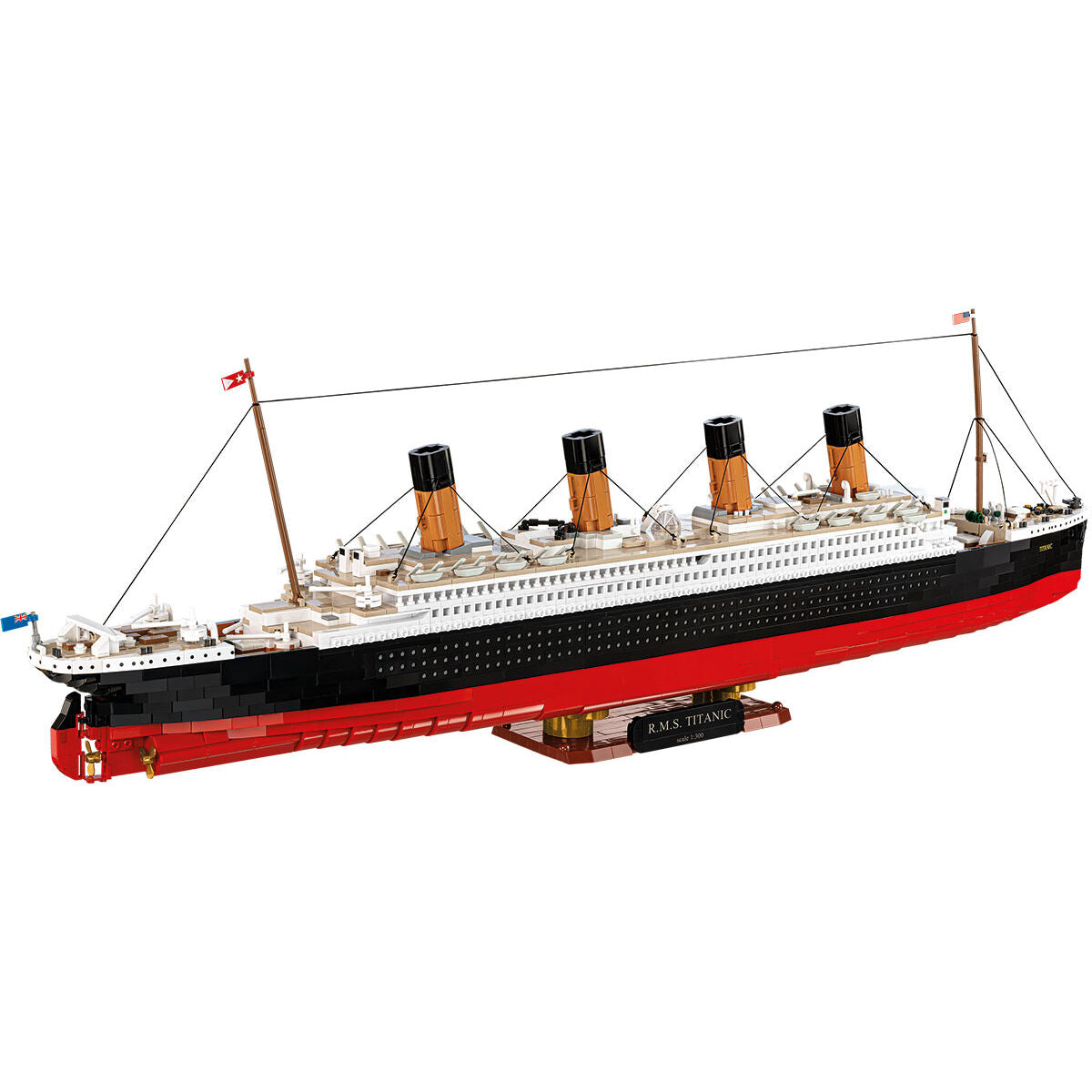
Designers recreate characteristic armor angles, aircraft fuselage shapes, ship superstructures, and car body lines. Everything has to be adapted to the brick-building system without losing the most recognizable features of the original.
Scale Matters
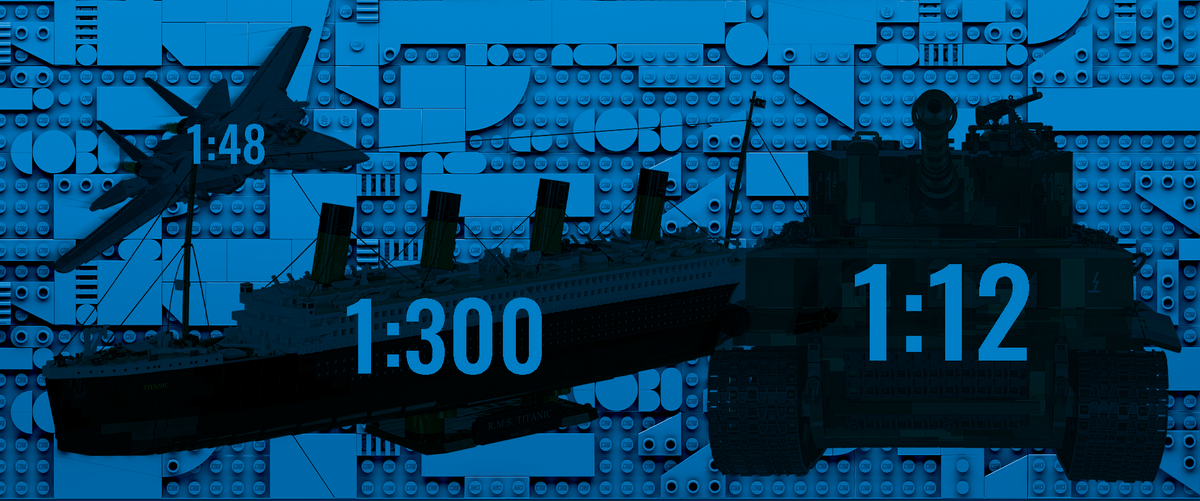
One of the key decisions is choosing the right scale. A larger scale provides more room for details, while a smaller one makes it possible to create a more compact model.
That is why COBI uses different scales depending on the type of machine and collection. For example, vehicle models in 1:28 scale can offer a very high level of detail, while 1:72 scale allows the most important features of the original to be preserved in a much smaller form.
Read also: “What Scales Are COBI Models Available In?”
When a Completely New Brick Is Needed
Not every distinctive detail of a real machine can be recreated using existing elements.
That is why COBI can design its own bricks and the molds needed to manufacture them. This makes it possible to recreate characteristic parts of bodywork, hulls, armament, and other elements of specific vehicles.
Interestingly, a new element designed with one model in mind may later also be used in future sets.
From the Design to the COBI Factory in Mielec
Once the design is complete, the digital construction has to become a real set.
COBI bricks are manufactured in Poland, at the COBI Factory in Mielec. The company carries out the production process within its own organization, from design and mold preparation to the manufacturing of finished elements.
This means that the journey from the initial idea to the finished brick takes place as part of one production process.
Details That Give the Model Its Character
The shape of the vehicle is only one part of its identity. A historical tank without tactical numbers or an aircraft without its distinctive markings would not look the same.
That is why prints applied directly to the bricks play such an important role. They make it possible to recreate markings, camouflage, and characteristic details of the original machine.
Many models also include movable features such as rotating turrets and wheels, working tracks, opening hatches, movable propellers, or wing elements. These functions need to be taken into account already at the structural design stage.
The Final Stage – Building Instructions
The finished design still needs to be translated into clear and understandable building steps.
COBI instructions use illustrations and icons that guide the builder step by step. This means that even sets made up of hundreds or thousands of elements can be assembled in manageable stages.
It is the instruction manual that turns the designer’s vision into a process that anyone can later recreate at home.
From Real History to a Brick-Built Model
There is therefore much more behind a COBI model displayed on a shelf than simply a set of connected elements.
First comes the real machine and its history. Then there is the analysis of source materials, the choice of scale, the design of the structure, and sometimes the creation of new elements. Next come brick production, the application of details, and the preparation of the instructions.
Only then can an aircraft, tank, car, or ship begin its second life as a model built brick by brick.
And this is exactly what makes model building something more than simply putting pieces together. It is a way to discover the engineering, details, and history of real machines, brick by brick.
Enter the world of COBI and discover collections of models inspired by history, aviation, automotive engineering, and much more.


0 comments