




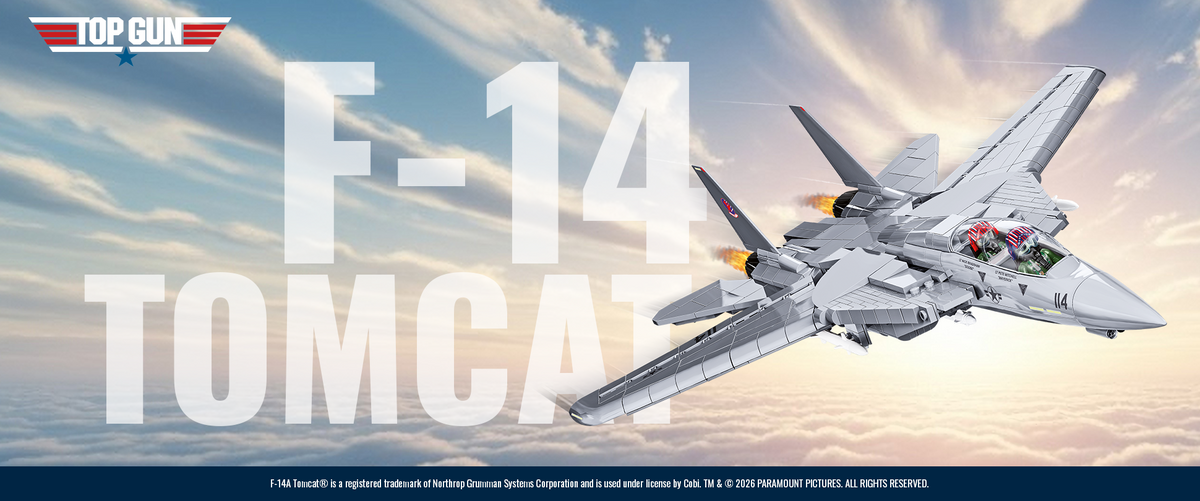
Few military aircraft have achieved the status of a true pop culture icon. The Grumman F-14 Tomcat is one of them. Its distinctive variable-sweep wings, twin vertical stabilizers and two-seat cockpit make its silhouette difficult to mistake for any other fighter jet.
But the F-14 legend did not begin in Hollywood. Before Maverick and Goose climbed into its cockpit in Top Gun, the Tomcat had already been serving aboard U.S. aircraft carriers for more than a decade.
So how did a real U.S. Navy fighter become one of the most famous aircraft in cinematic history?
F-14 Tomcat – A Fighter Designed to Defend the Fleet
The story of the F-14 began in the late 1960s, when the U.S. Navy needed a new carrier-based fighter. Grumman was tasked with developing this aircraft.
The first F-14A Tomcat took to the skies in December 1970, and in 1974 the aircraft was deployed operationally by the U.S. Navy for the first time.
The Tomcat was a large, twin-engine, two-seat supersonic fighter. Its primary missions included fleet defense and air superiority. In later years its capabilities were expanded to include reconnaissance and precision strikes against ground targets.
Wings That Changed the Shape of the Aircraft
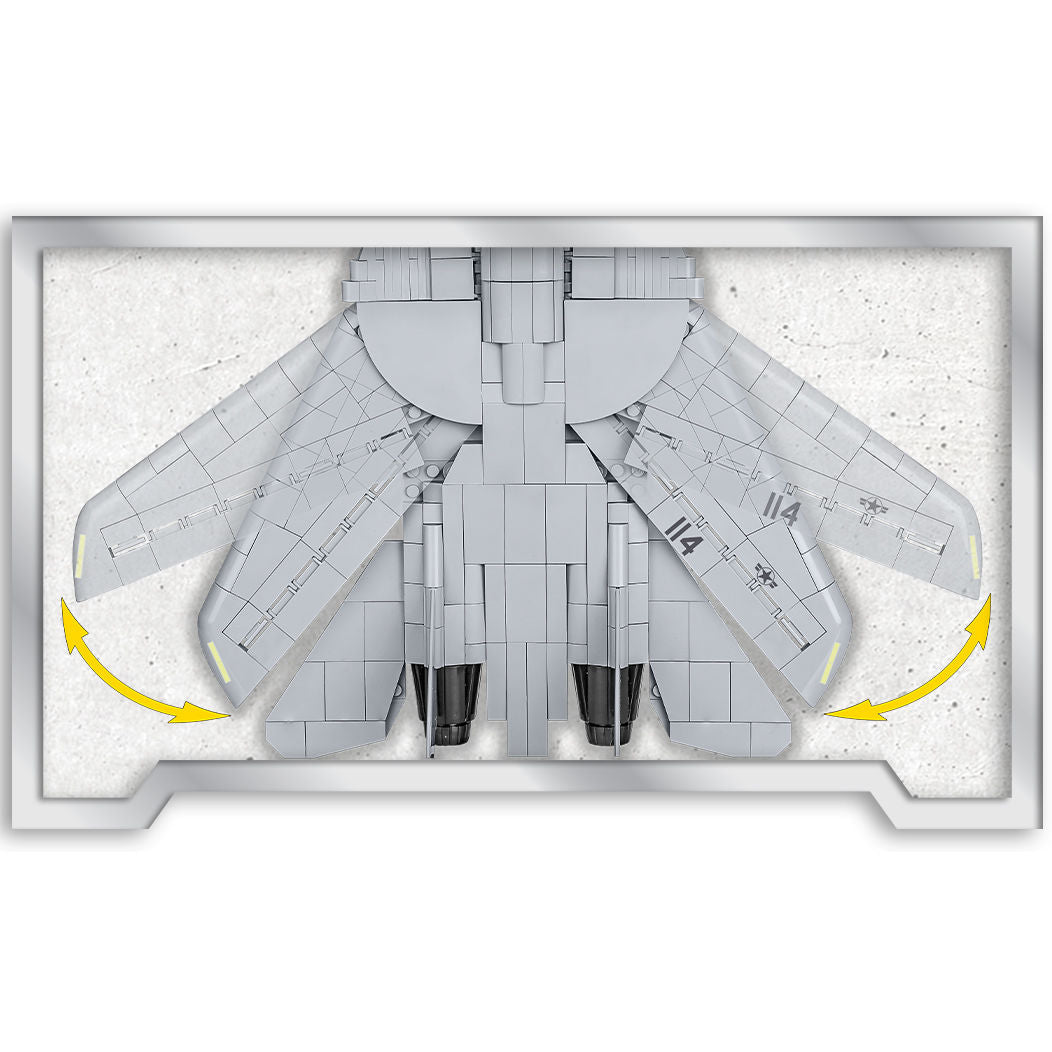
The F-14’s most distinctive feature remains its variable-sweep wings.
Depending on flight conditions, the wings could change their position. When extended they provided suitable flight characteristics at lower speeds, which was particularly important during aircraft carrier operations. At high speeds, the wings swept back, giving the Tomcat its distinctive, aggressive silhouette.
This solution did more than enhance the aircraft’s capabilities. It also made the F-14 look spectacular – something Hollywood would make excellent use of more than a decade later.
Pilot and RIO – The Real Maverick and Goose
The F-14 had a two-person crew. The pilot sat in the front seat and was primarily responsible for flying the aircraft. The second seat was occupied by the Radar Intercept Officer, or RIO, who worked with systems including radar, navigation and weapons. The Smithsonian emphasizes that responsibilities related to navigation, target detection, electronic systems and weapons employment were divided between the two crew members.
And this is where reality meets the movie. In Top Gun, Pete “Maverick” Mitchell is the pilot, while Nick “Goose” Bradshaw is his RIO. Their positions in the cockpit therefore reflect the actual division of roles within an F-14 crew.
TOPGUN Was Real
One of the most interesting things about the movie is that TOP GUN was not invented by the screenwriters either.
The U.S. Navy Fighter Weapons School was established in the late 1960s as a school dedicated to improving the air combat skills of Navy pilots. Over time, it became widely known as TOPGUN.
Interestingly, real-life inspirations can even be found for some elements of the movie. The Smithsonian identifies Captain Christopher “Boomer” Wilson, who led the Navy Fighter Weapons School from 1982 to 1984, as an inspiration for the character Viper, played by Tom Skerritt.
1986 – The F-14 Tomcat Arrives in Top Gun
TOP GUN hit theaters in 1986, and from that moment on, the story of the F-14 began to exist on two levels – as the story of a real military aircraft and as a pop culture phenomenon.
The F-14A became Maverick and Goose’s aircraft, while scenes of carrier takeoffs, aerial combat and iconic shots of Tomcats against the setting sun helped create one of the most recognizable images of military aviation in cinematic history.
The movie also made use of real U.S. Navy infrastructure. For example, some scenes were filmed aboard the aircraft carrier USS Ranger – the Naval History and Heritage Command records that Paramount filmed scenes for the movie aboard the carrier in June 1985.
Did the F-14s in Top Gun Really Fly?
Yes. The production of Top Gun worked with the U.S. Navy and the movie featured real aircraft and the authentic environment of U.S. naval aviation.
Of course, not everything shown on screen should be treated as a documentary portrayal of a pilot’s work. However, the F-14A Tomcat itself, its two-person crew, the aircraft carriers and the TOP GUN school all had real-world counterparts.
It was precisely this combination of Hollywood and the real world of aviation that gave the movie its distinctive atmosphere.
Why Did the F-14 Become an Icon?
It was a technologically advanced aircraft with an exceptionally distinctive design. For decades, it served aboard U.S. aircraft carriers and took part in real military operations. But Top Gun accomplished something that even the greatest technological achievements could not. It introduced the F-14 to millions of people who had never previously been interested in aviation.
The Smithsonian describes the Tomcat as an aircraft that gained worldwide fame thanks to Top Gun, while the movie itself brought the excitement and dangers of naval aviation to the big screen. So when the F-14 was retired from active U.S. Navy service in 2006, its story was far from over.
Maverick and Goose’s F-14A Tomcat in COBI Bricks
One of the most recognizable versions of the Tomcat can now be built from bricks.
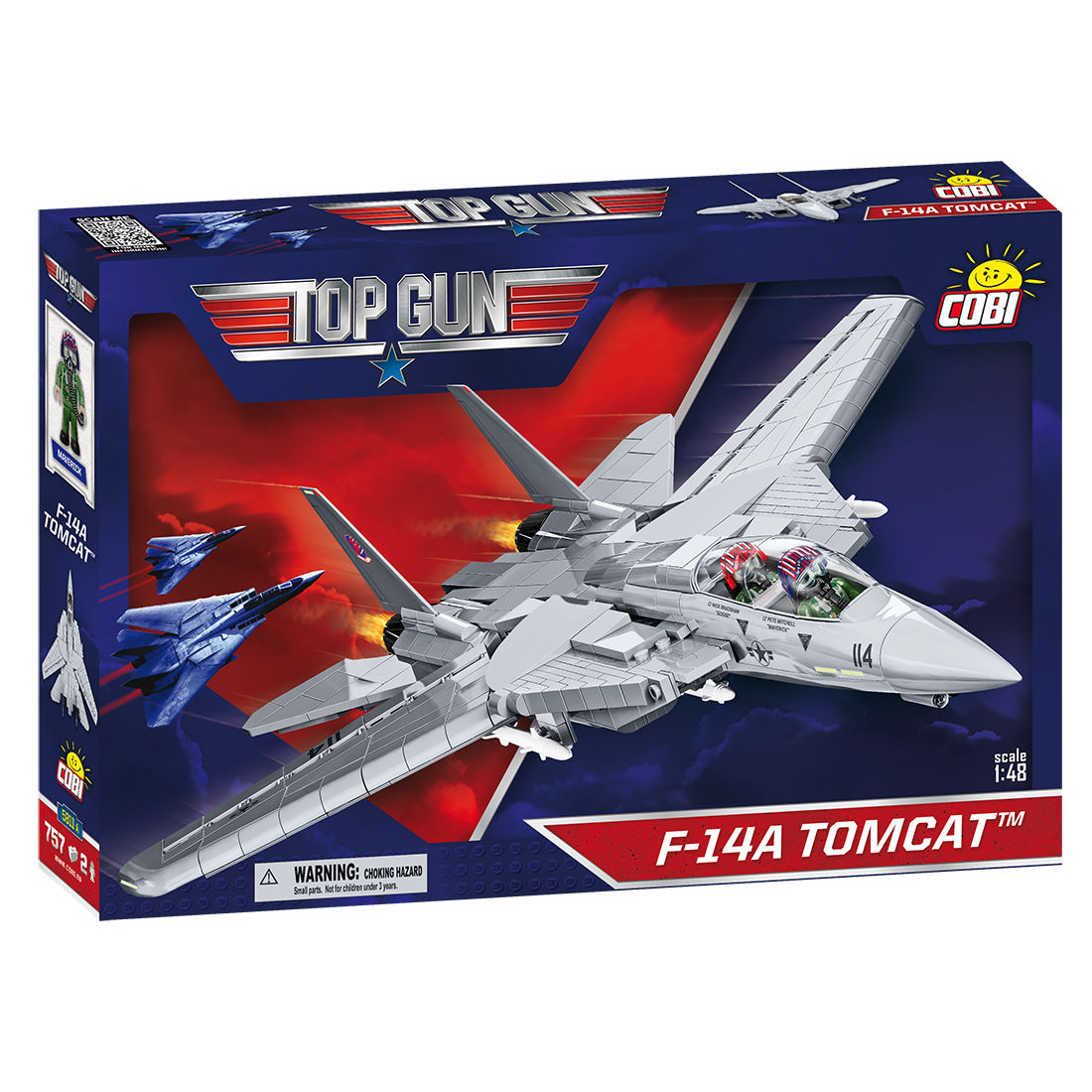
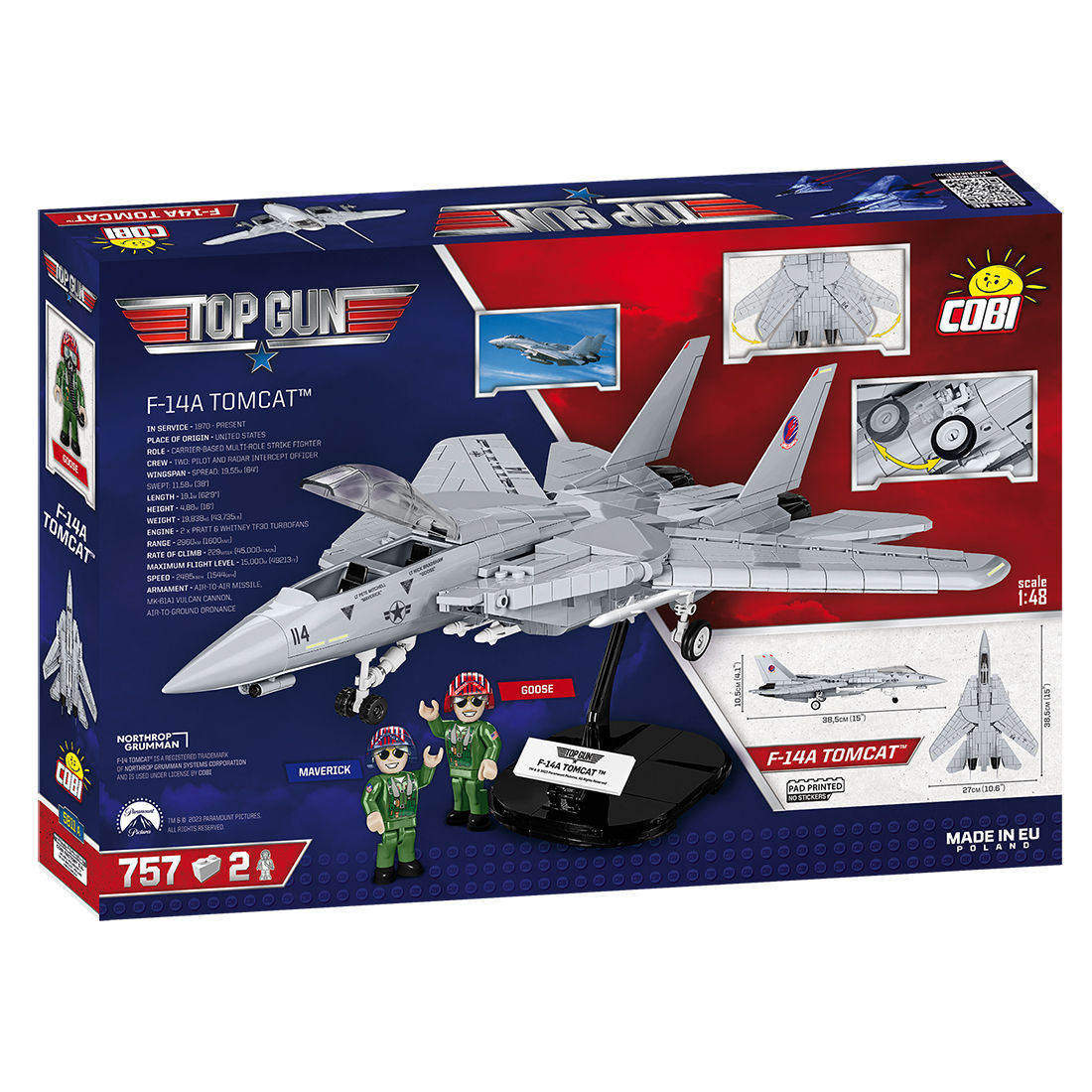
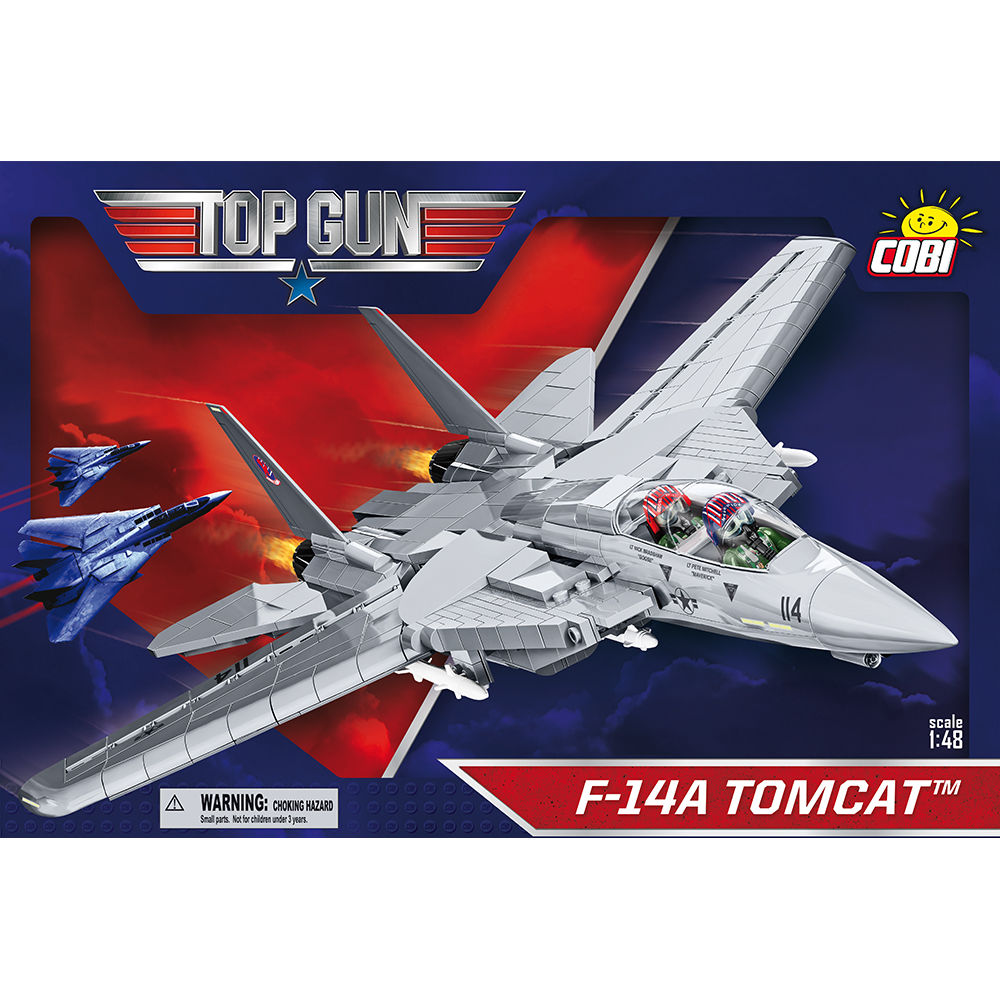
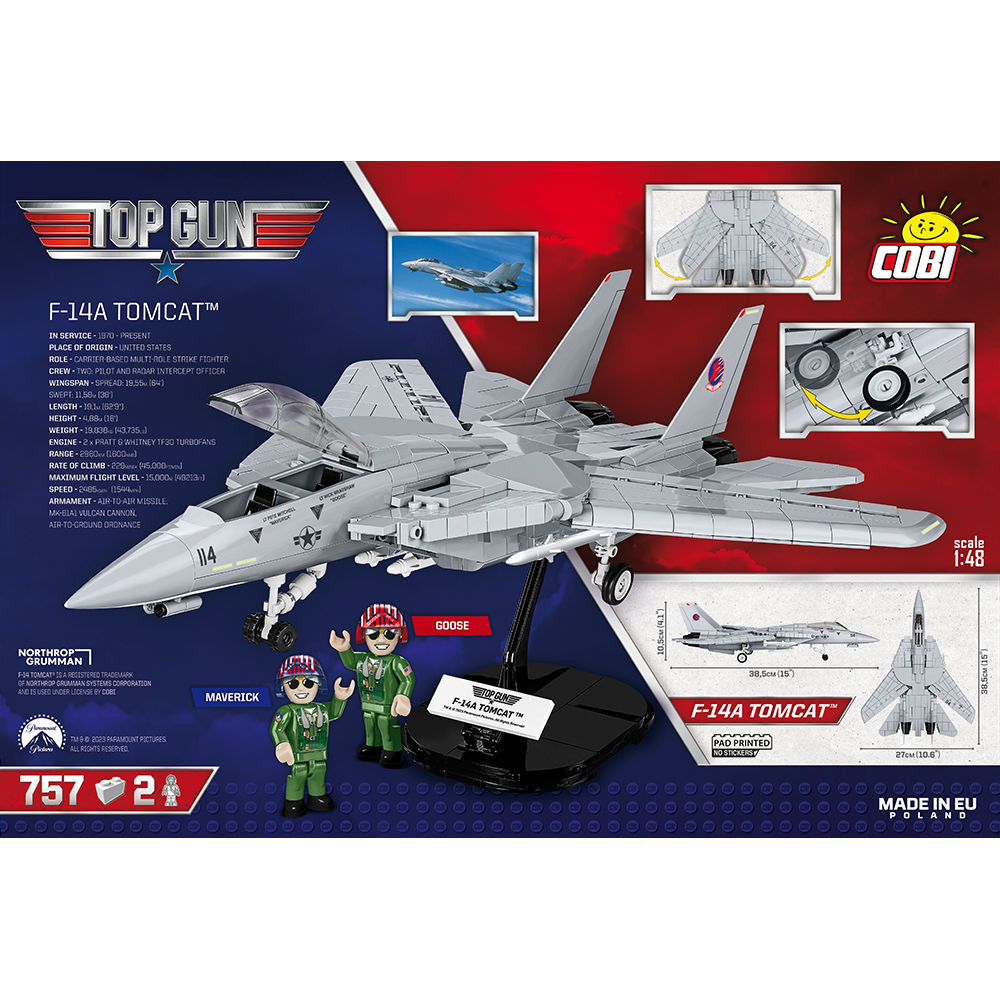
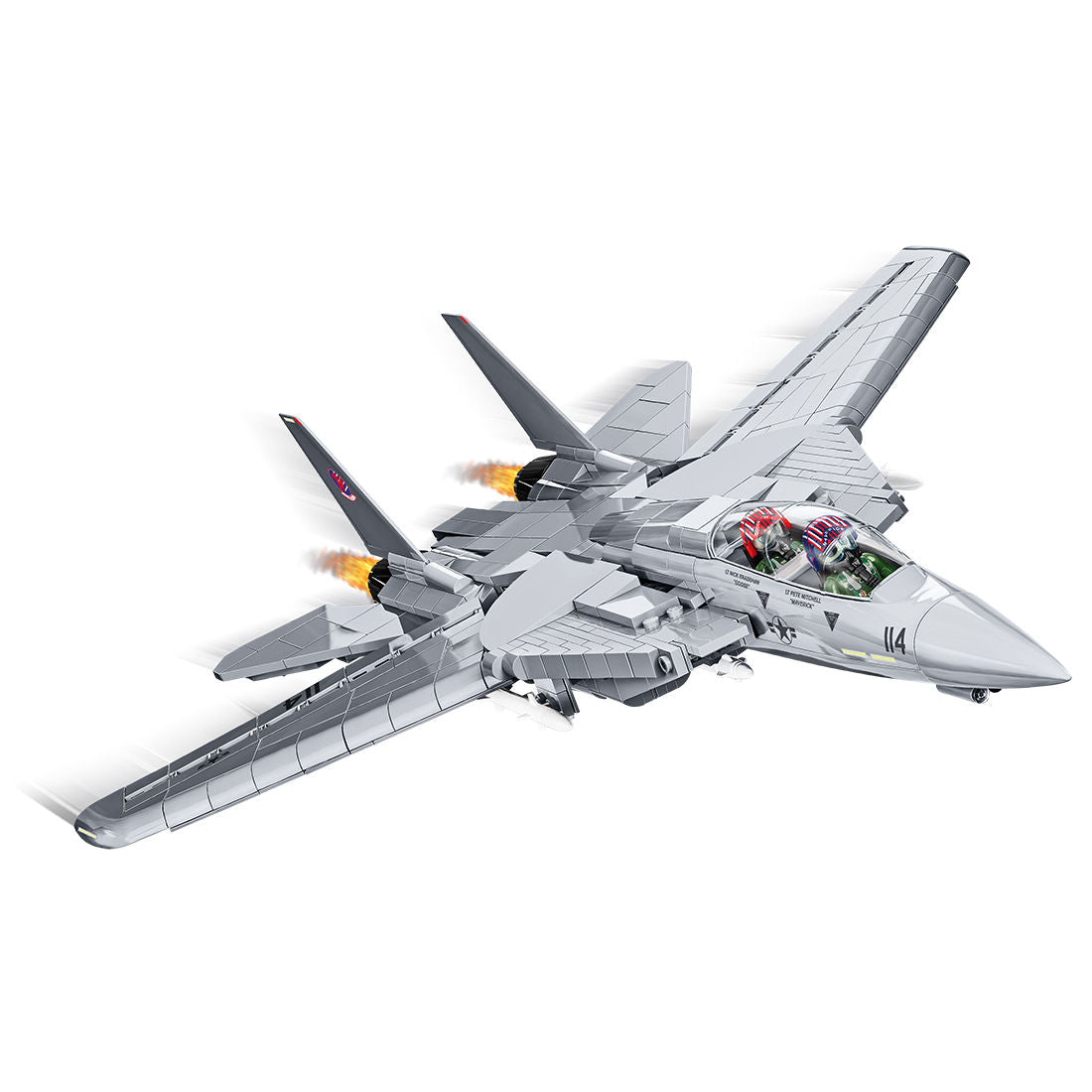
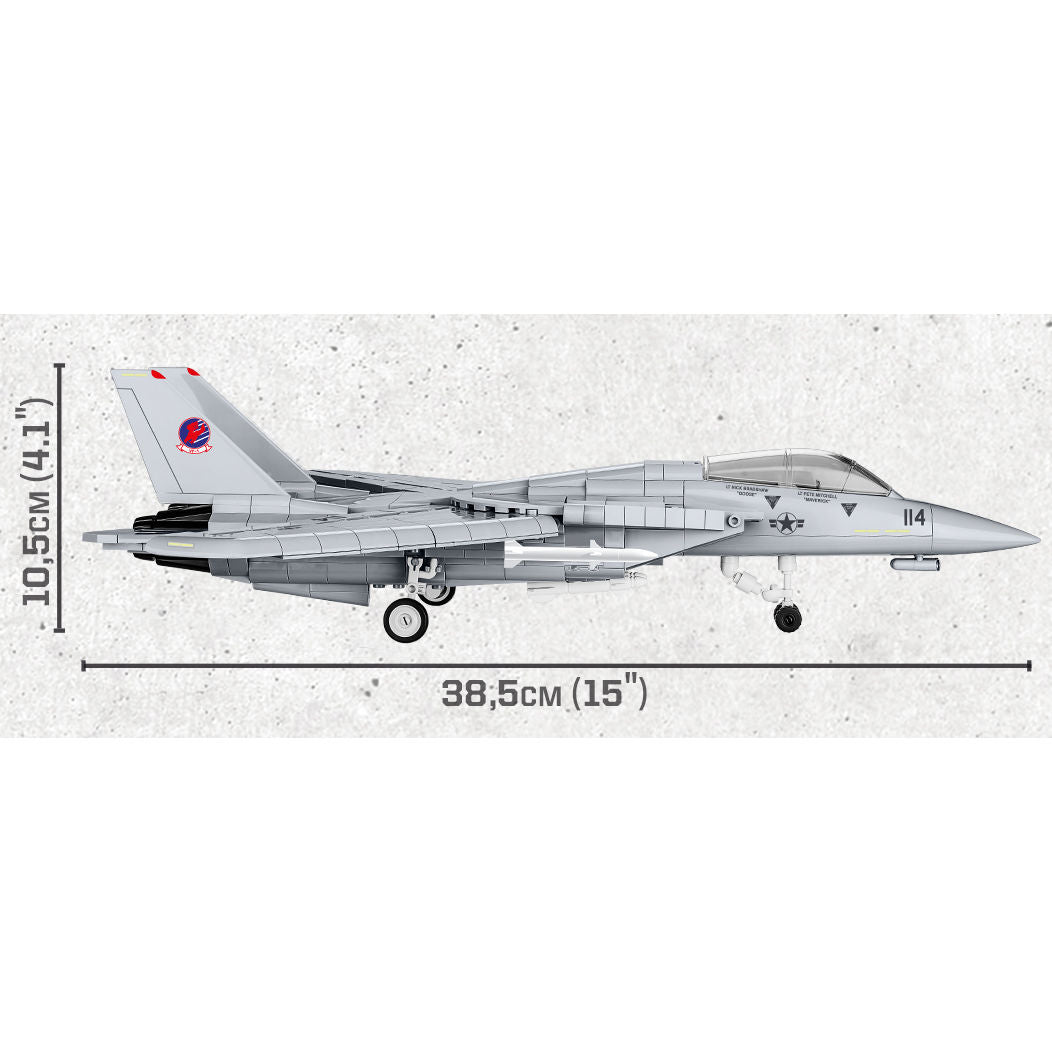
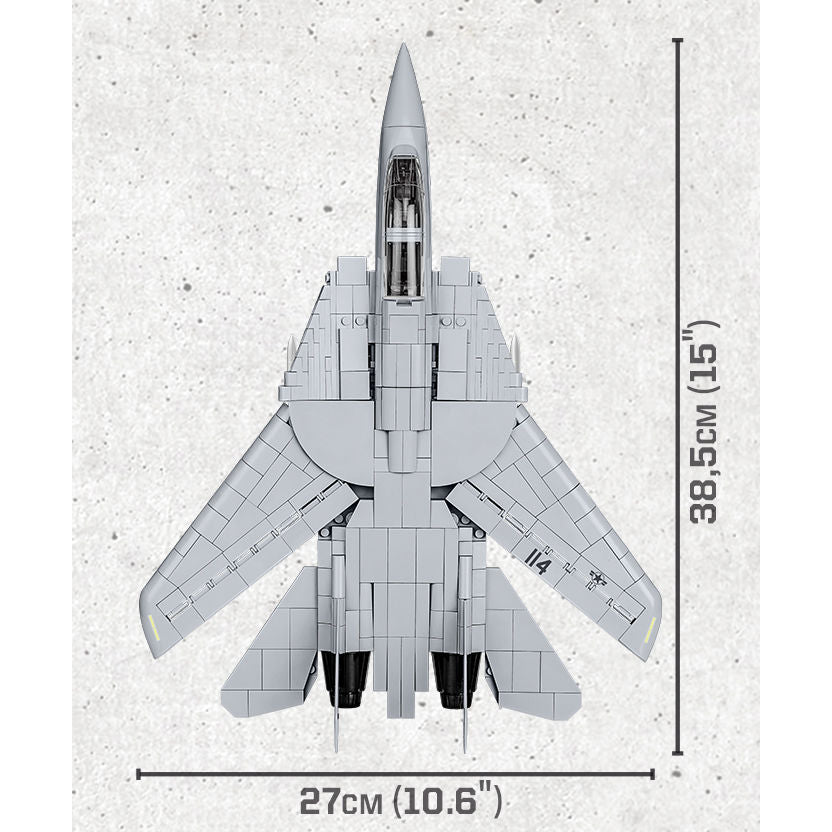
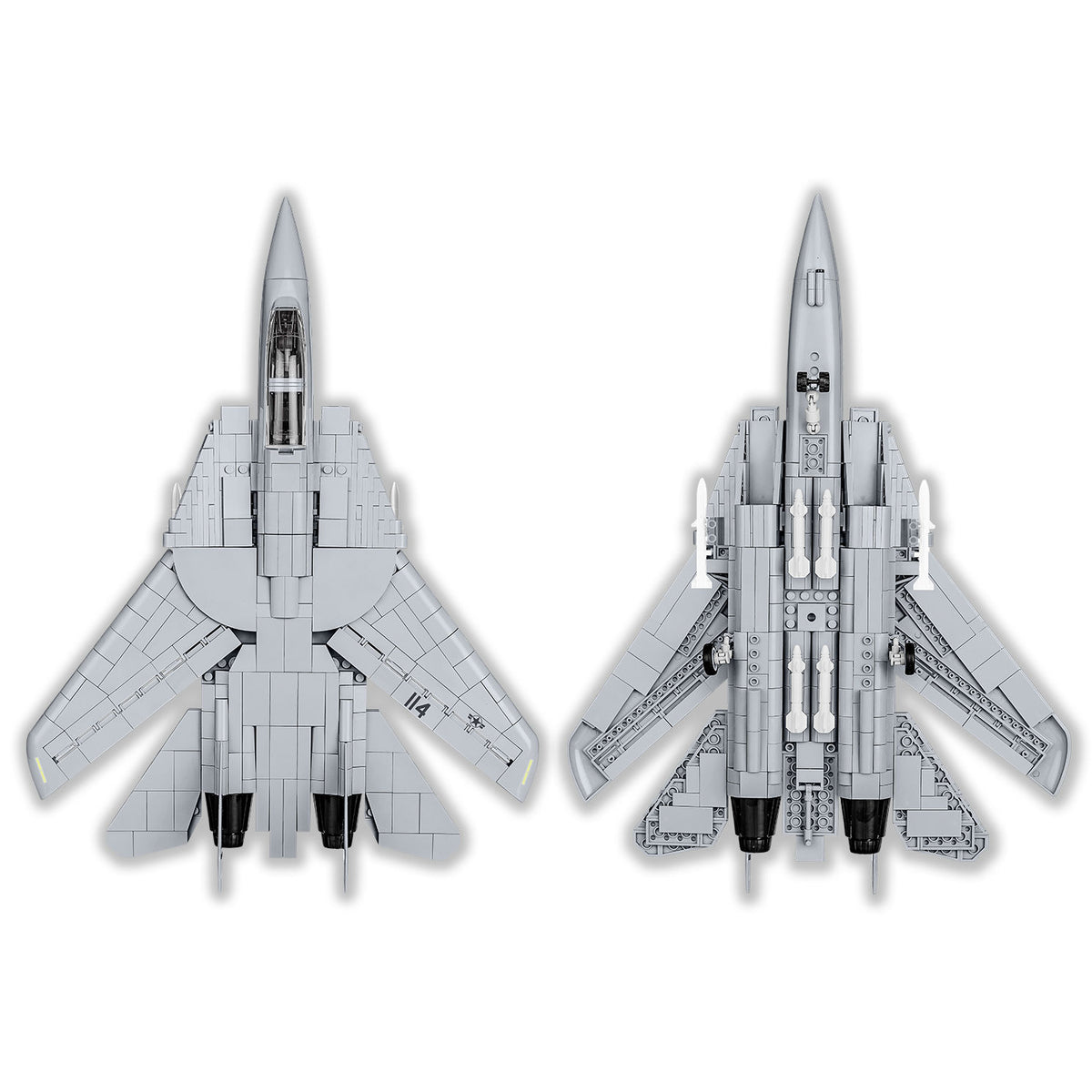
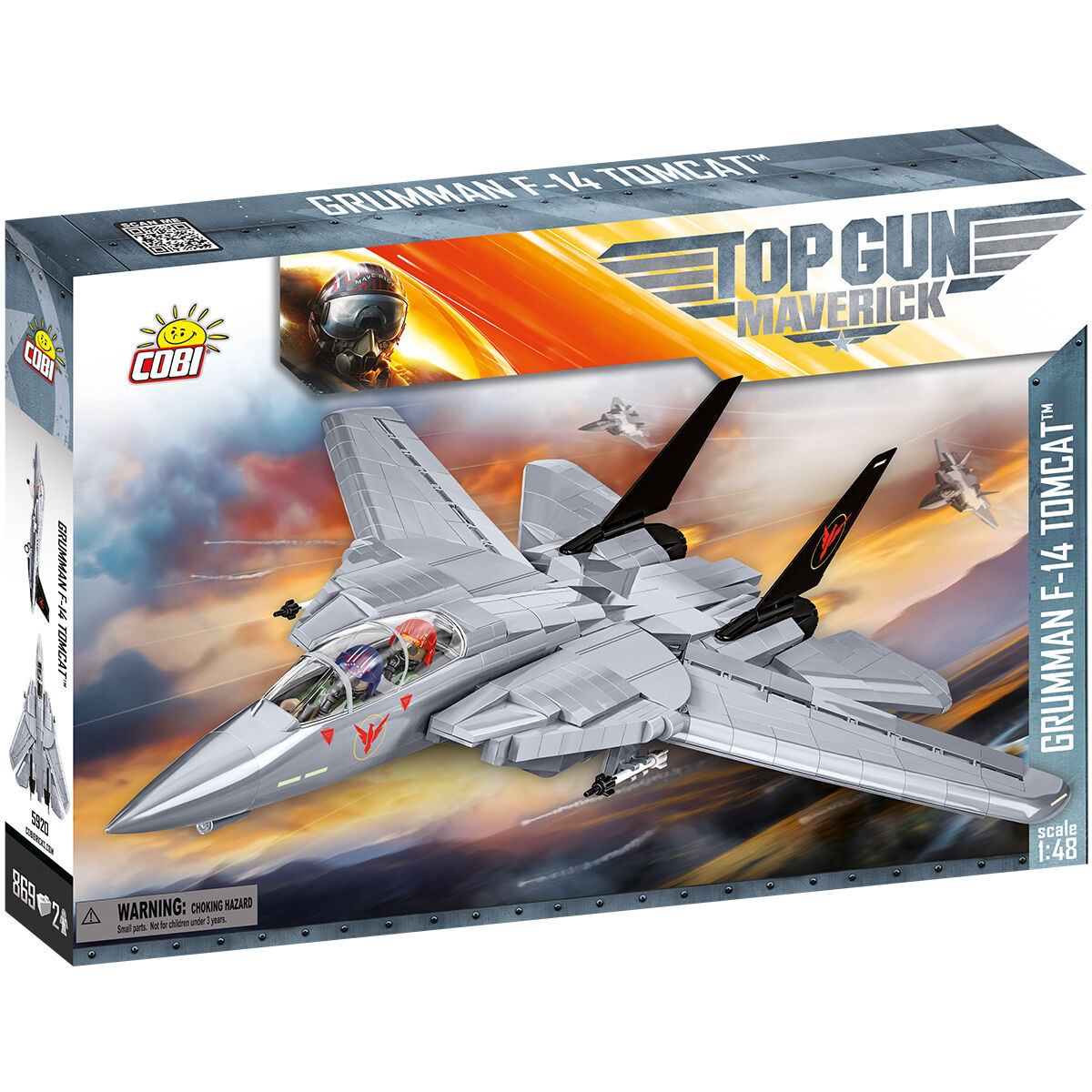
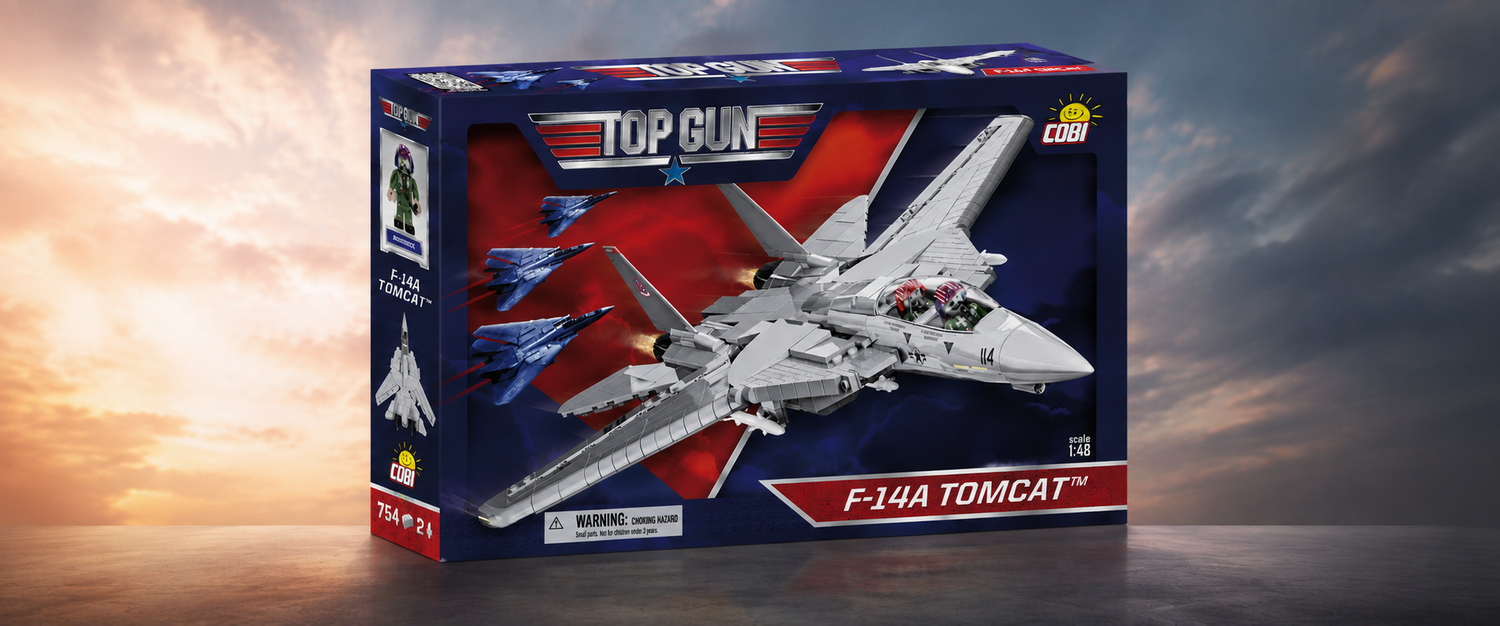
The COBI Top Gun F-14A Tomcat Fighter: #5811A combines the history of the real aircraft with its cinematic legend. The model was created under official TOP GUN™ and Northrop Grumman licenses and was designed in 1:48 scale using 757 pieces.
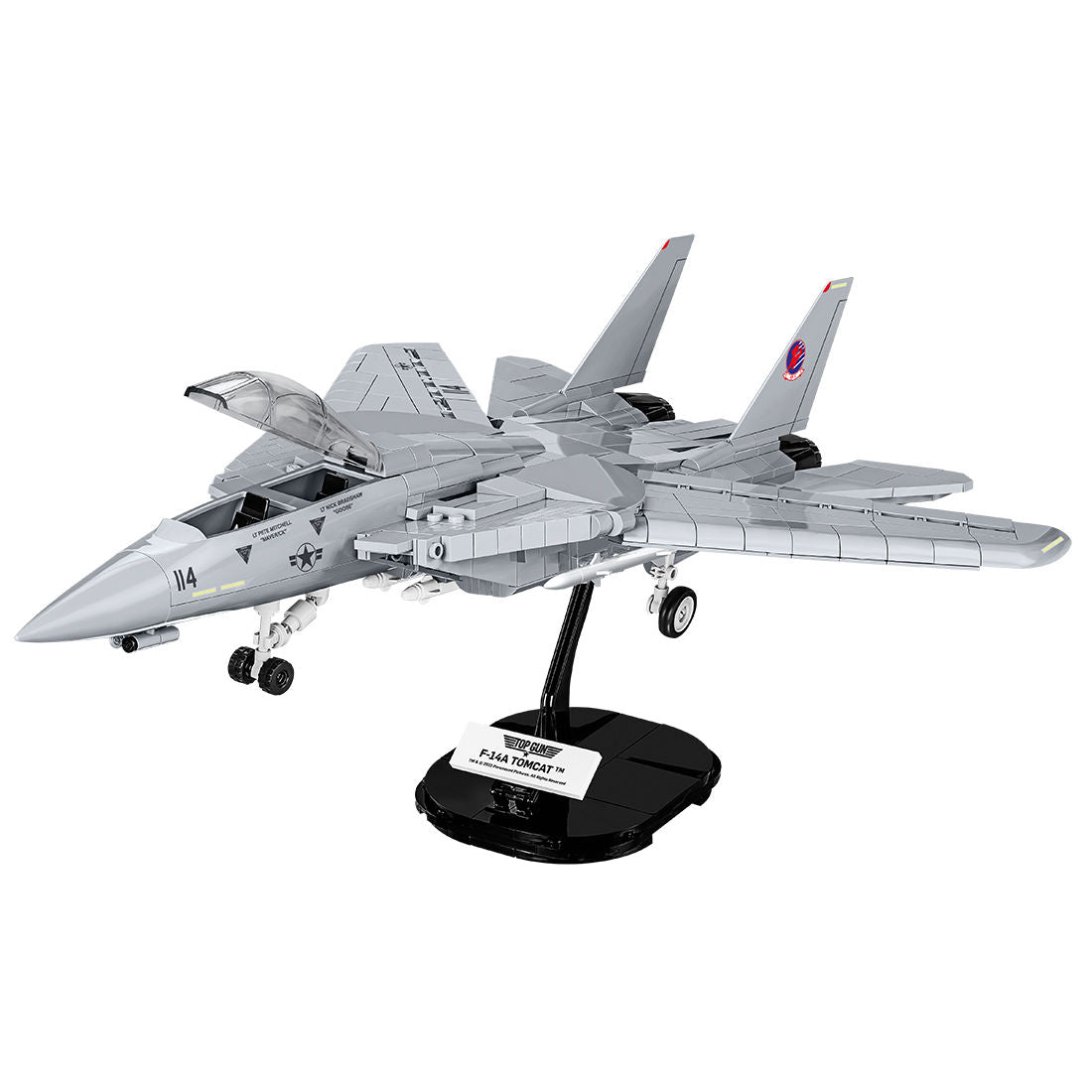
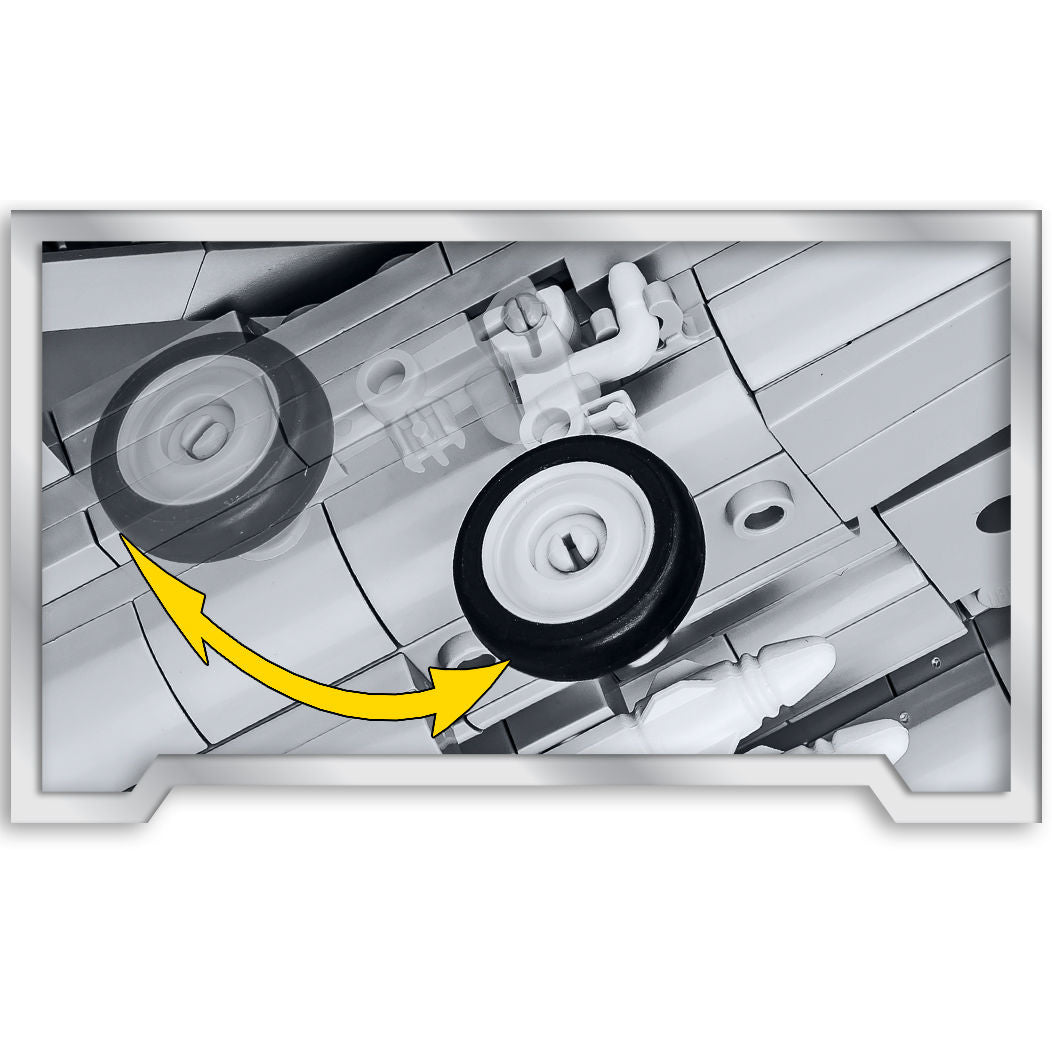
It features one of the most important elements of the real F-14: movable variable-sweep wings as well as retractable landing gear, rotating wheels and armament.
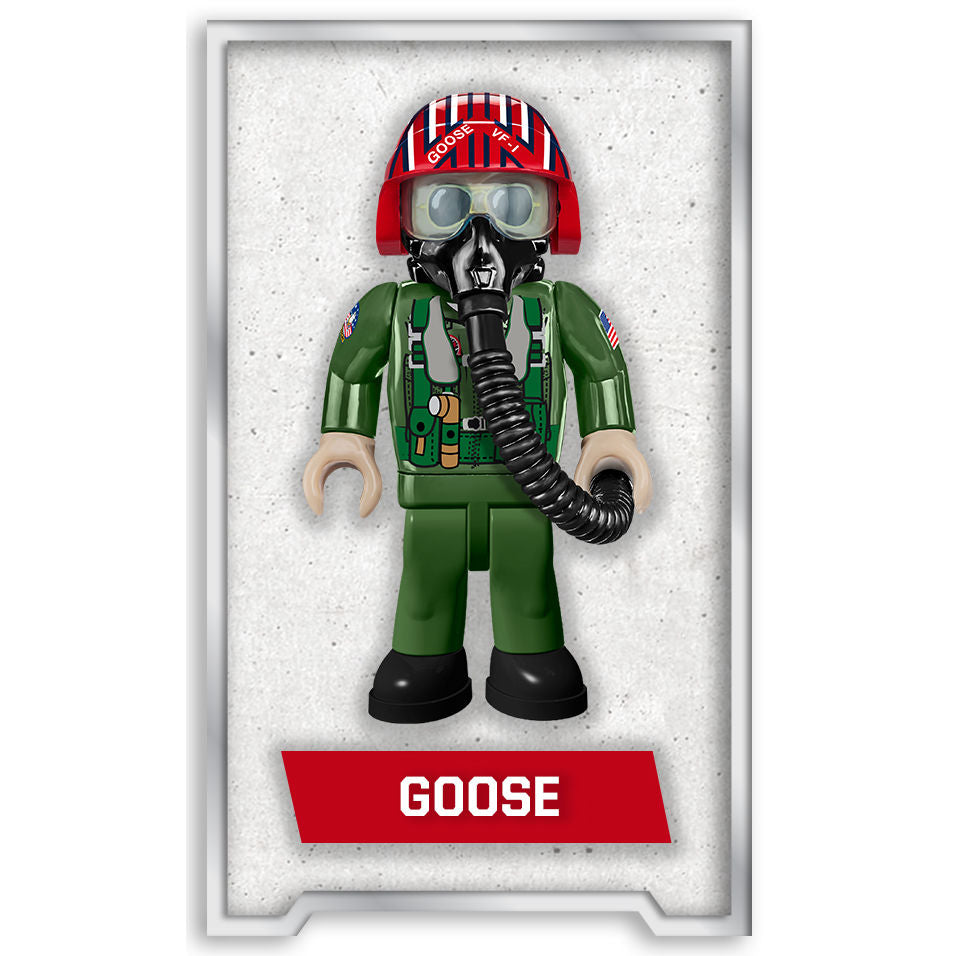
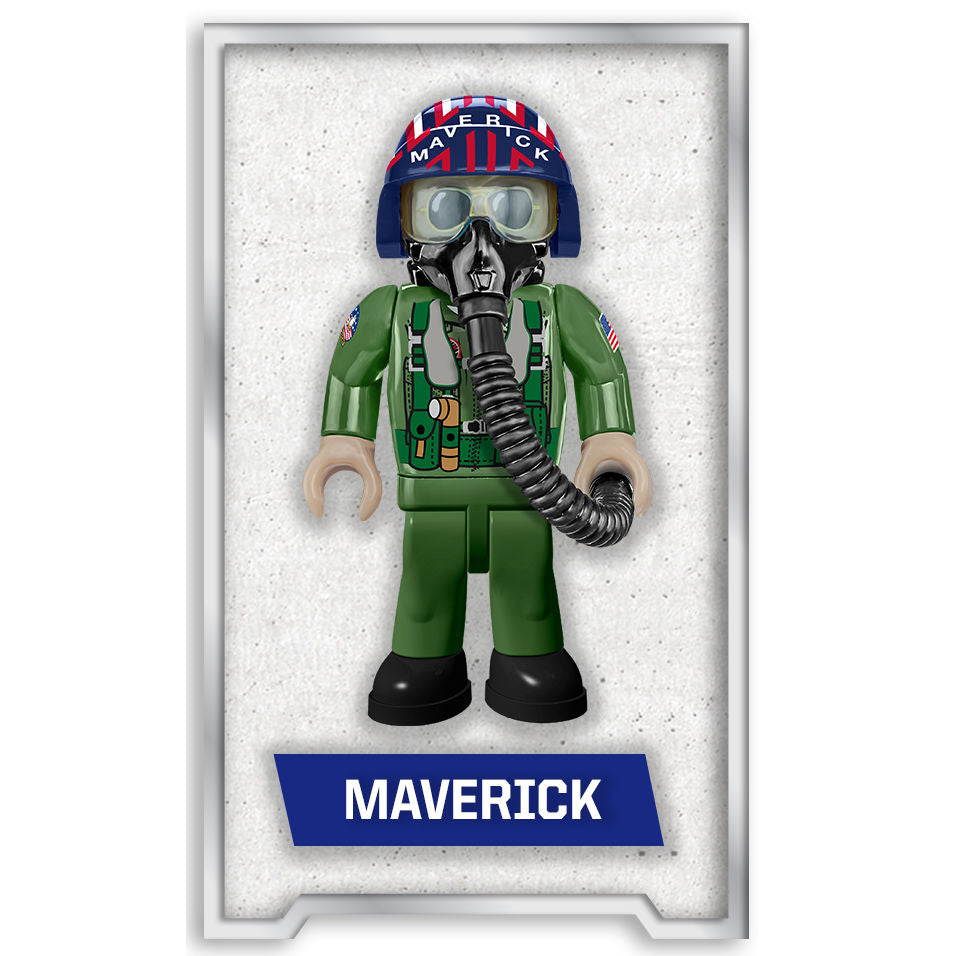
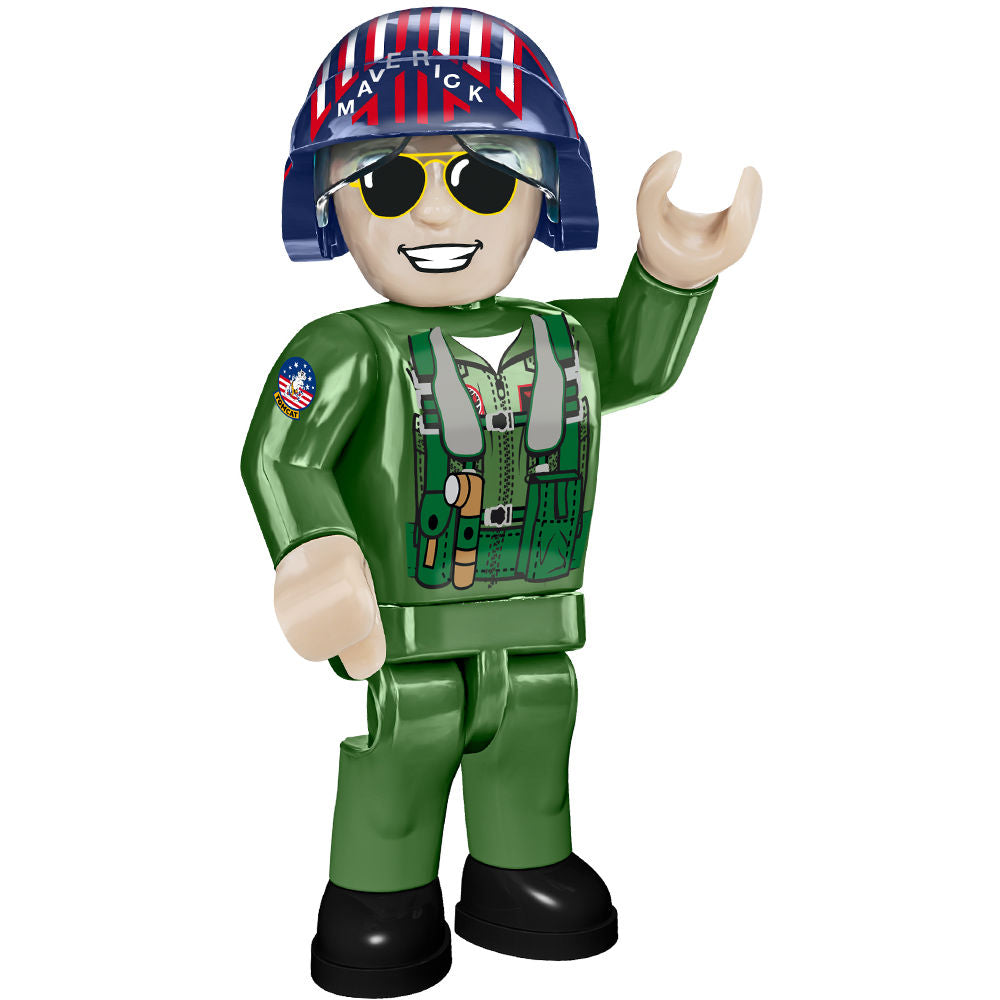
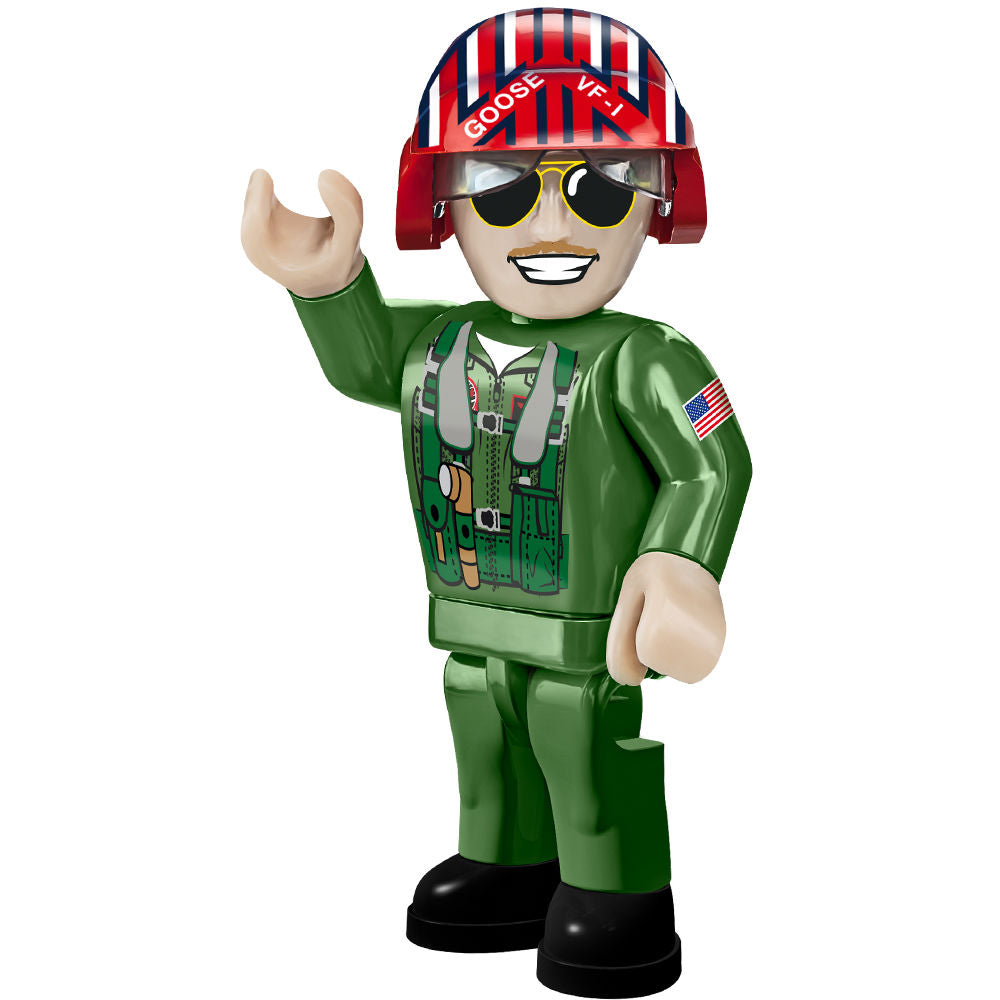
The two brick figures, Maverick and Goose, provide a special connection to the movie. They can be placed in the two-seat cockpit, just like the crew of the real Tomcat, and the cockpit seats are even labeled with their names.
The model is completed by a display stand and a nameplate featuring the aircraft’s name and the Top Gun logo. As a result, the set brings together three different worlds: aviation history, model building and one of the most iconic movies of the 1980s.

0 comments